
Bore Cleanouts and Maintenance
Water bores can experience changes in performance as they age. Common signs include reduced water flow, increased sediment, discoloured water, changes in pressure or longer pump-running times.
These issues may be caused by silt accumulation, mineral deposits, iron-related buildup or changes in the surrounding groundwater conditions.
B&T Drilling provides bore cleanout and maintenance services for rural properties, farms, commercial sites and larger residential blocks of one acre or more. We assess the available information and condition of the bore before recommending a suitable course of action.
In some cases, cleaning and redevelopment may improve the bore’s performance and extend its usable life. However, the outcome depends on the bore’s construction, age, condition and the cause of the problem. Not every underperforming bore can be fully restored.
Our Approach To
Bore Cleanouts and Maintenance
Our approach begins with understanding the history and current performance of the bore.
We consider factors such as the bore’s age, depth, construction, previous flow rate, pump setup, water quality and any changes noticed by the property owner. This helps us determine whether cleaning or redevelopment may be suitable.
Depending on the condition of the bore, the work may involve airlifting, air lancing, flushing or chemical treatment.
Before work begins, we explain the proposed process, pricing and any limitations. Bore maintenance may improve performance in suitable circumstances, but improvements in flow rate or water clarity cannot be guaranteed.

How We Work
Initial Assessment
We begin by gathering information about the bore and the problems being experienced.
This may include the bore’s age, depth, original flow rate, construction details, pump configuration, maintenance history and any recent changes in water flow or quality.
Where records are unavailable, our assessment is based on the information that can be obtained from the existing installation and its current performance.
Bore Cleaning and Air Lancing
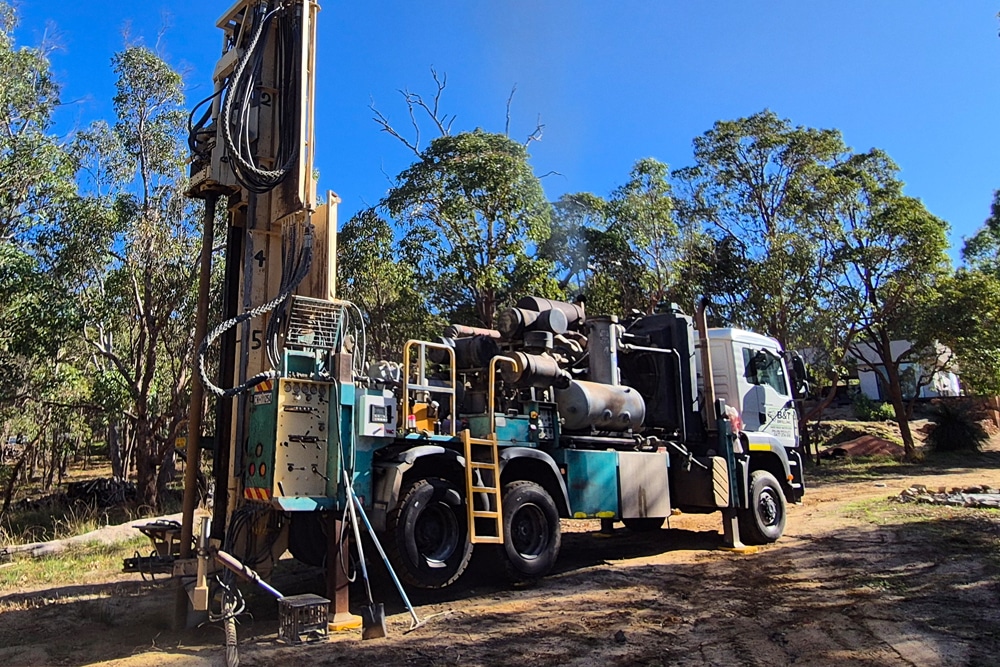
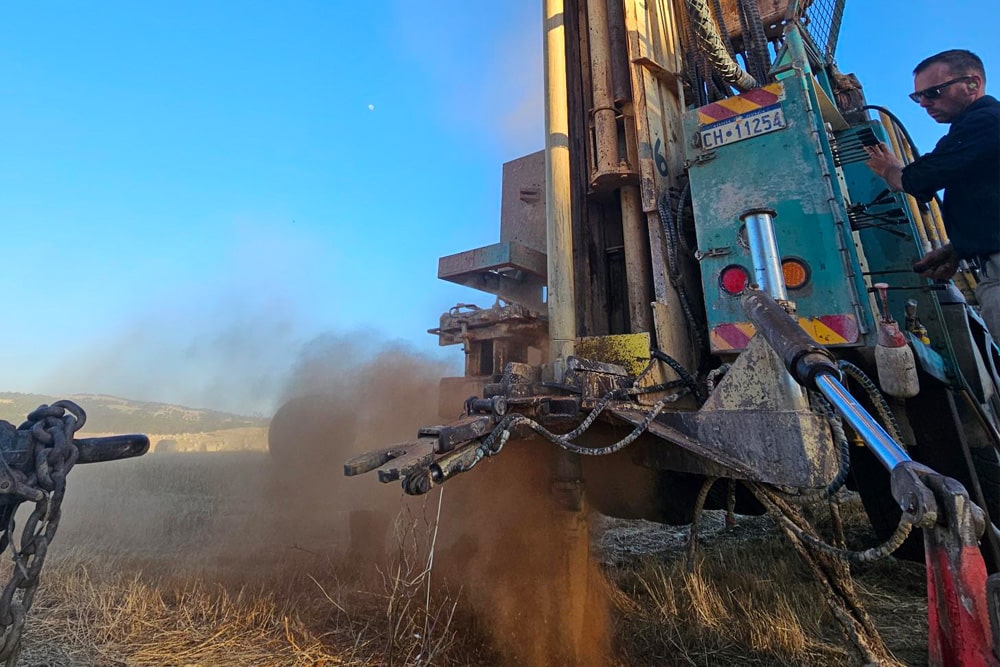
Where appropriate, compressed air may be used to agitate and remove loose sediment, silt and debris from inside the bore.
Air lancing and airlifting can help clear accumulated material and redevelop the bore. The effectiveness of this process depends on the bore design, its condition and the type of material present.
Iron and Mineral Buildup Treatment
Some bores develop iron-related buildup, mineral deposits or scale around the casing slots and water-entry areas.
Where suitable, a bore-specific chemical treatment may be used to loosen or dissolve these deposits before the bore is flushed and redeveloped. The treatment selected depends on the bore construction, water conditions and the suspected type of buildup.
Chemical treatment is not appropriate for every bore and is only carried out after the available information has been assessed.
Once the cleanout or treatment is complete, the bore is flushed and its discharge is observed. We then explain the results and whether any further action may be required.
Bore Cleanouts and Maintenance
Essential Questions Answered